

Whoa, this surprised me. I used to shrug off MEV as a theoretical annoyance. But lately my trades felt subtly worse for it. Somethin’ felt off about execution prices, and my gut said check logs. Initially I thought it was slippage or poor routing, but after digging deeper and replaying transactions I realized a pattern that pointed straight at extractive ordering and sandwich attacks by searchers.
Really? It was that bad? Yes — and my instinct said this wasn’t random. I ran simulations on pending mempool transactions to see outcomes. On one hand replaying trades locally confirmed higher MEV losses, though actually the worst cases emerged when bundles were front-run by sophisticated searchers using private relays and complex gas strategies that I hadn’t anticipated. Initially I thought third-party samplers or bad DEX routing were solely to blame, but closer inspection of miner-extracted value flows and frontrunning traces revealed coordinated behavior and profit patterns across blocks, which meant the risk profile was systemic rather than incidental.
Hmm, not good. Here’s what I did next to assess my exposure; actually, wait—let me rephrase that. I categorized trades by size, timing, and DEX route. Then I simulated each path accounting for realistic gas and priority fee scenarios. That let me estimate expected extraction per trade across probable mempool states, and from there I built a simple risk model that weighted frequency, profit per attack, and fallback costs if trades failed or partially executed under adverse reordering (oh, and by the way…).
Here’s the thing. Not every trade is equally vulnerable to MEV extraction. Small trades often escape attention, though slippage compounds on repeated swaps. High-value swaps, complex multi-hop routes, and pairs with low liquidity are magnets for searcher strategies, and if you layer in deadline-less transactions or overly permissive approvals you can make life very easy for attackers who watch mempools. I also modeled worst-case sequences where multiple searchers and relay networks competed, because real-world MEV isn’t a single adversary but an ecosystem of bots, relays, private pools, and occasionally colluding validators or miners.
Wow, that’s systemic. Risk assessment showed two actionable levers for defenders today. First, reduce visibility into mempool and improve transaction priority with simulators. Second, adopt transaction construction patterns that are very very expensive for searchers to exploit. That means using techniques like private transaction relays, bundled transactions with cryptographic commitments, MEV-boost protections, or simply routing through smart wallets that simulate outcomes and can conditionally manage gas to avoid predictable footprints—basically changing how your transactions look before they hit the public mempool.
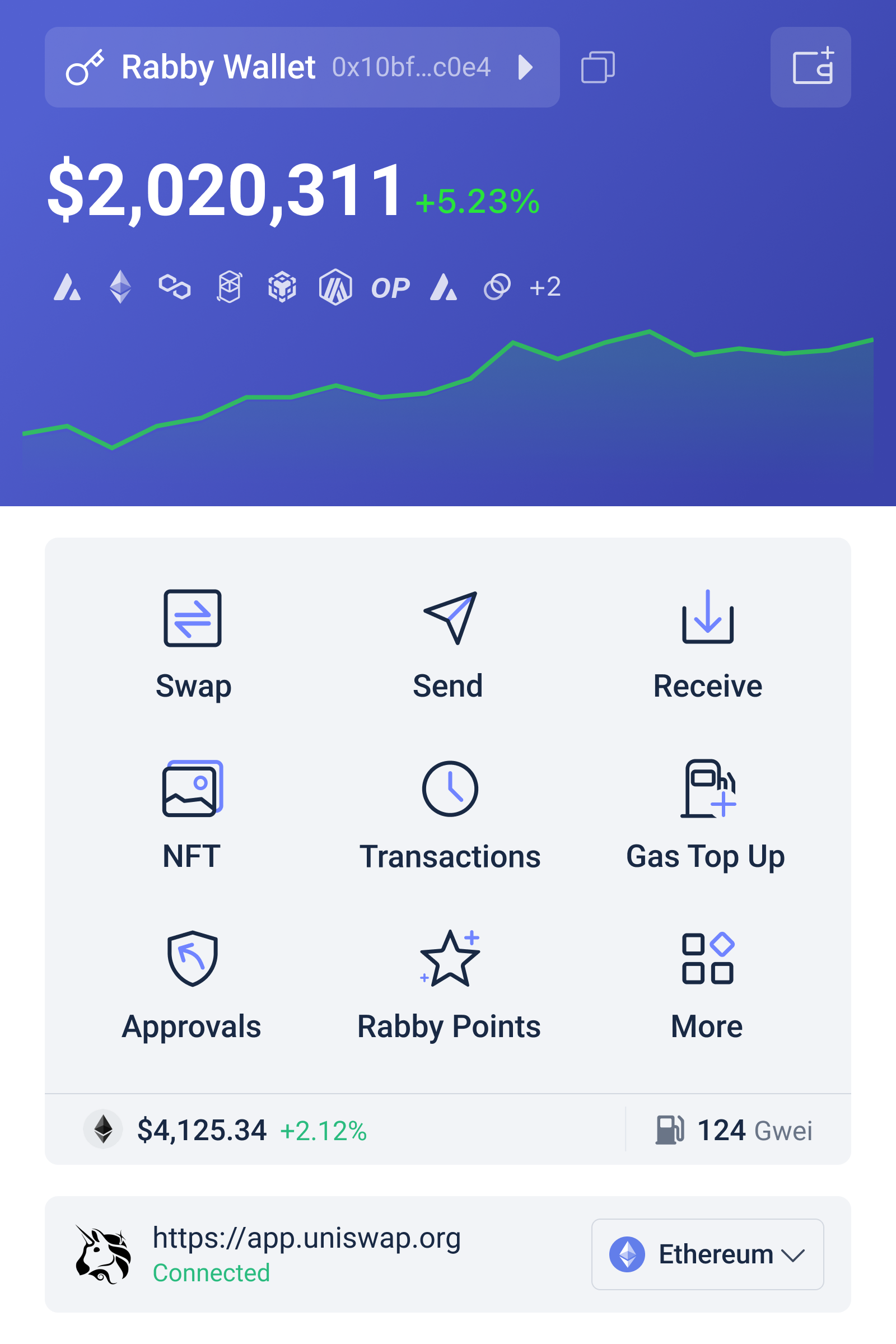
How wallets can make a practical difference
Okay, check this. I tested a modern Web3 wallet, rabby wallet, to see how these defenses perform. I’m biased, but the difference was immediate in many replayed scenarios. Initially I thought user-level wallets couldn’t influence MEV materially, but a wallet that simulates execution, offers private submission, and builds transactions with MEV-aware routing can reduce extractable value substantially for retail users, especially across chains where searcher activity is more fragmented. One practical example came when I swapped a thinly traded token and the wallet proposed an alternative bundle submission that avoided the public mempool entirely, and that single change turned a potential 15% sandwich loss into a minor slippage cost that was acceptable to my strategy.
I’m not 100% sure. But the wallet’s transaction simulator exposed how searchers would react… It replayed pending blocks and showed likely worst-case gas ramps and reorderings. I then adjusted routes and saw the simulated outcomes improve significantly. More importantly, the wallet let me combine private submission with conditional replacements so that my high-stakes trades never presented a predictable profit window for searchers, which is exactly the kind of defense you want when automated bots are watching for arbitrage opportunities.
FAQ: MEV protection & risk assessment
How do I measure MEV risk for my strategy?
This part bugs me. Fine print and defaults matter a lot in practice, though. Audit trails, permission scopes, and where your signed transactions are submitted (public mempool versus private channel) change the risk calculus, so you need to consider trade-offs between latency, privacy, and the trust model of any relay you use. On one hand the private-relay approach reduces exposure but requires trusting a third party; on the other hand, on-chain commitment schemes can be trustless but sometimes add complexity and gas costs which could negate their benefits depending on trade size and frequency. If you trade often, quantify MEV across your strategy…